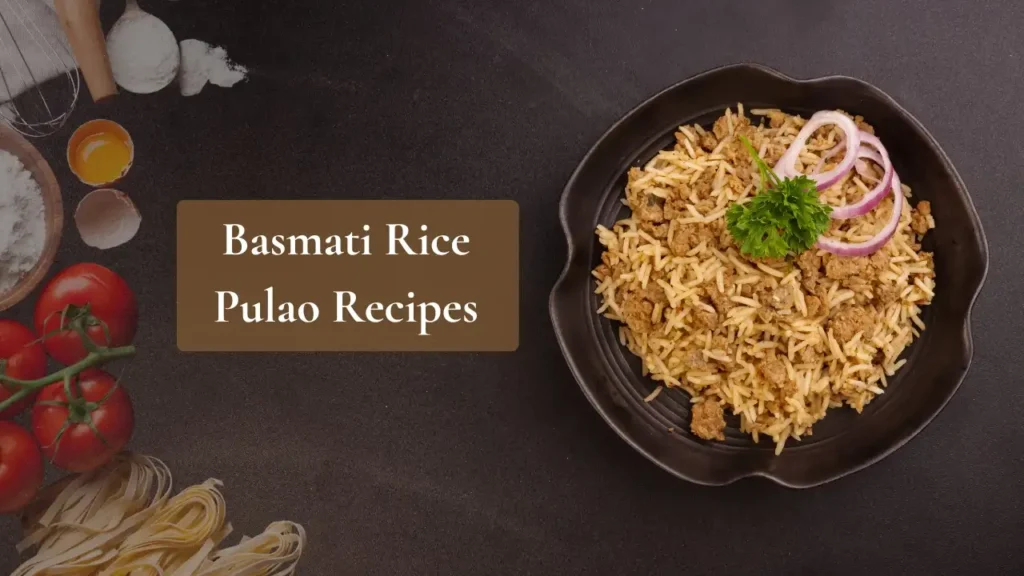

You made the masala well. The meat is soft. You sealed the pot for dum. But the biryani still turns out sticky or flat. Most of the time, the rice is the problem. Basmati is a long, sweet-smelling rice grown near the Himalayan foothills, and its quality depends on where it grows and how it is handled and aged. So the best basmati rice for biryani is not about one brand name. It is about knowing what to look for. This guide shows you how to choose the best basmati rice for biryani in India and cook it well at home.
What Makes Basmati the Right Rice for Biryani?
Think about what happens to the rice in a good biryani. First it is boiled halfway. Then it sits under a layer of masala and meat, and is steamed again in a sealed pot. That is a lot for one grain to handle. Ordinary rice often breaks, turns soft or sticks together by the end.
Basmati handles this well. The grain is long and thin. It stretches even longer when cooked, and it swells nicely, so a small amount of rice fills the handi. It also has a natural aroma that carries the whole dish. Together, these give you grains that stay separate, look beautiful and smell wonderful.
Quick checklist at the shop
- Thin grains of the same length.
- A mild, natural smell, not a strong perfume.
- Very few broken grains.
- No fake shine or colour.
1121, 1509, 1718 or Traditional: Which Variety Is Best?
The numbers you see on rice bags are Pusa basmati varieties, not brand names. If you are unsure, start with 1121, the top export variety and the usual choice for biryani.
Pusa 1509 is a good second choice, as it is ready about a month earlier and its grain quality is close to 1121. Pusa 1718 is a blight-resistant version of 1121, so it gives the same kind of grain. Traditional varieties such as Type 3 are the older roots of the family.
| Variety | In one line |
|---|---|
| 1121 | The top choice for biryani |
| 1509 | A good second choice, ready earlier |
| 1718 | Same grain as 1121, stronger crop |
| Traditional (like Type 3) | The old root of basmati |
Which one do you use for your biryani? Tell us in the comments.
Raw, Steam or Sella: Which Form for Dum Biryani?
Once you pick the variety, choose the form of the rice. For dum biryani, it mostly comes down to raw or sella. Raw basmati gives softer grains and cooks faster. Sella is parboiled basmati, usually sold as white sella rice, and it gives firmer grains that stay separate after dum.
So the choice is simple. If you like soft, fluffy biryani, go with raw. If you want every grain to stand apart, sella is the safer choice.
| Form | After cooking | Soaking |
|---|---|---|
| Raw basmati | Softer, and cooks faster | A short soak |
| Sella (parboiled) | Firm, separate grains | A longer soak |
Does Aged Basmati Really Matter?
Almost every biryani rice pack says “aged”, and it does help a little. Rice that has been stored for some months turns firmer, and firmer grains are less likely to break while cooking. The change takes time, though, so a pack that simply says “aged” tells you little by itself. Look for a packing date on the pack, and choose rice that has clearly been stored properly. At home, keep it free from weevils. Store it in a closed container in a cool, dry place, and check it often.
How to Buy Genuine Basmati in India
Good rice costs money, so it is smart to know what a genuine pack should offer. FSSAI’s basmati standards have been in force since 2023. They say basmati must have a natural fragrance, and it must not have fake colour, polishing agents or added fragrance. That gives you an easy way to check rice in the shop.
- Smell: mild and natural, because added fragrance is not allowed.
- Look: no fake shine, because polishing agents are not allowed.
- Read: choose packs that tell you the variety and the form.
Restaurant-Style Basmati Steps at Home
The method is simple. The difference between steam rice and raw rice is mostly about time. Raw rice cooks faster, and steam rice takes a little longer. Follow these steps.
- Wash the rice until the water runs clear.
- Soak it for a short time. Soak sella a little longer.
- Boil it in plenty of water until it is mostly cooked but still a little firm, then drain it.
- Put the rice over your masala in layers and seal the pot for dum.
- Mix gently, because rough stirring breaks the soft grains.
Conclusion
The best basmati rice for biryani is the one that fits the way you cook. Pick a long, thin grain with a natural smell. Start with 1121, and keep 1509 and 1718 as good options. Choose sella for firm, separate grains, or raw rice for a softer bite. Prefer aged rice, read the pack with care, wash the rice well, soak it for a short time, and stop boiling while the grain is still a little firm. Do these small things right, and restaurant-style biryani at home will happen every time, not just by luck.
Which basmati do you use for biryani, and which form gave you the best result? Share your tip below.
FAQ
Q1: Why is my biryani rice sticky?
Ans: Most often, the rice was cooked too much before layering. Stop when it is mostly done, because it will finish cooking in the pot.
Q2: How long should I soak basmati?
Ans: Regular basmati needs a short soak. Sella needs a longer one.