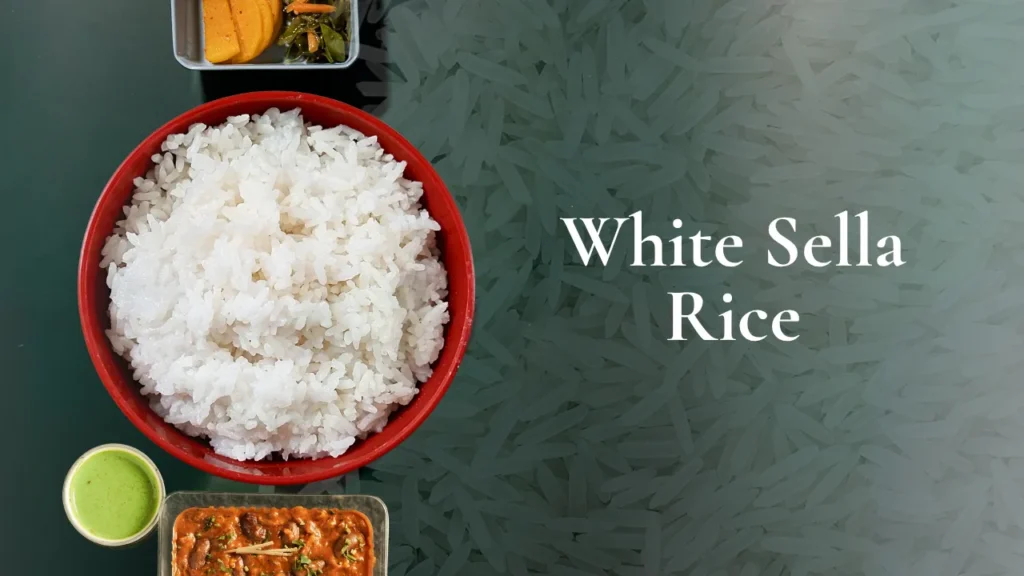
White sella rice is parboiled basmati rice known for its firm texture and long grains. It holds its shape after cooking, does not turn sticky, and is used in bulk cooking, catering, and hotel kitchens across many countries. For B2B buyers and importers, this rice is a reliable choice for large-scale food service and export orders.
Below, you will find grain length and purity specs, its fit for hotels and catering, how it stacks up against golden sella and raw rice, and the export documentation to check before you order.
What is White Sella Rice? (The Parboiling Process)
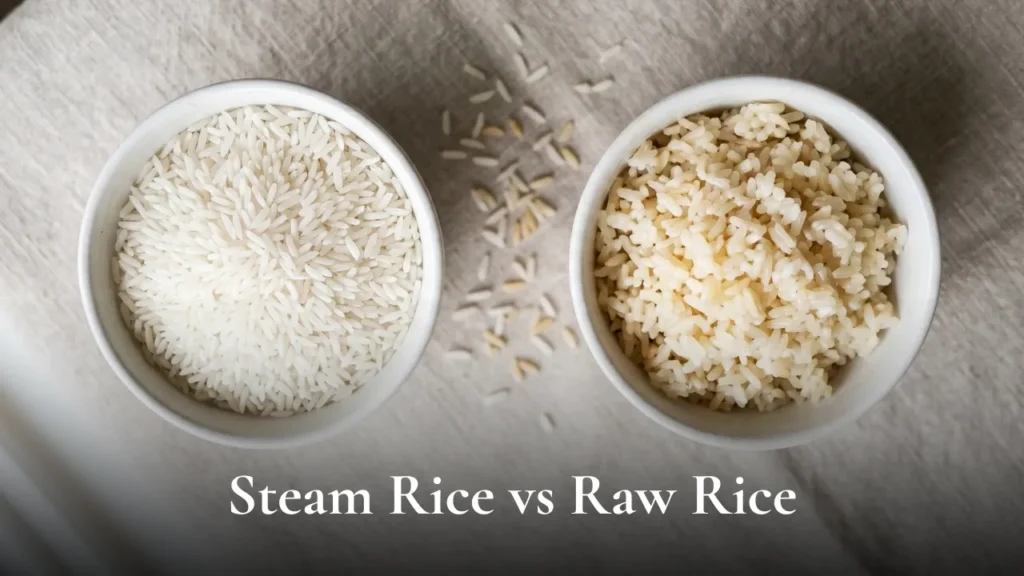
White sella rice goes through a process called parboiling before milling. The paddy is soaked in water, then steamed, and dried before the husk is removed. This is different from raw rice, which is milled directly without steaming. Parboiling makes the grain harder and less likely to break during milling and transport. It also keeps more nutrients inside the grain compared to raw white rice, since steaming pushes some nutrients from the husk into the grain. The result is a firmer, longer grain that cooks up separate and fluffy, which is why white sella rice is preferred for biryani, pulao, and other rice dishes served in bulk.
Key Specifications (Grain Length, Purity, Moisture)
Grain specs vary slightly by variety, but most white sella rice used for bulk orders falls within these ranges:
- Grain length: 7.5mm to 8.45mm, depending on the variety.
- Moisture content: Around 12%, kept low for longer shelf life.
- Purity: 95% minimum, with limited natural admixture.
- Broken grains: Usually capped at 1% to 2% in export-grade batches.
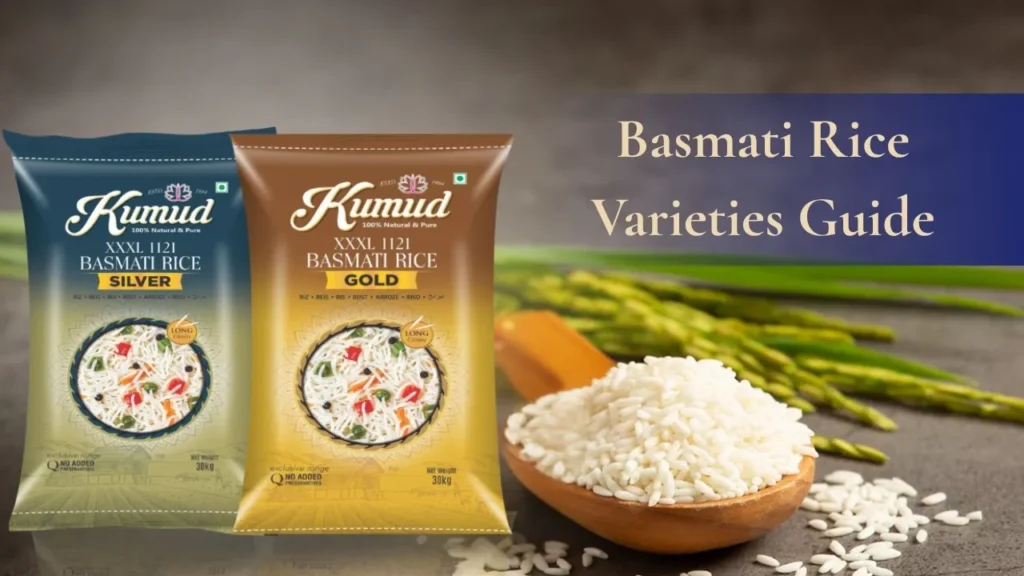
Common varieties available in this category include 1121, 1509, and Traditional basmati, each offering slightly different grain length and aroma. Buyers should confirm exact specs with the supplier before finalizing an order, since batch quality can shift with each harvest season.
Why White Sella Rice is Ideal for Bulk/Commercial Use
The firm, non-sticky texture makes this rice easy to cook in large batches without clumping, which matters when kitchens are preparing meals for hundreds of people at once. Grains stay separate even after sitting warm for a few hours, a common need in catering and buffet service. Shelf life is another advantage. Properly stored, it can last up to two years without losing quality, which works well for export shipments that spend weeks in transit or storage. Since breakage stays low during milling, buyers get more usable grain per bag, reducing waste at scale. These qualities make it a practical fit for hotels, restaurants, catering services, and food manufacturers who need consistent results order after order.
White Sella vs Golden Sella vs Raw Rice — Which to Import?
Each type suits a different kind of business, based on texture, appearance, and price.
- White Sella Rice: Firm texture, mild aroma, light color. Works well for bulk cooking, catering, and hotel buffets where consistency matters more than a strong aroma.
- Golden Sella Rice: Goes through a longer parboiling and aging process, giving it a golden tint and stronger aroma. Suited for premium dining and biryani-focused restaurants willing to pay a higher price.
- Raw Rice: Skips the parboiling step, so it is softer and more delicate to cook. Common in retail packaging and home kitchens, but less forgiving for large-batch cooking.
For buyers sourcing for catering or food service at scale, white sella rice offers the best balance of cost and cooking consistency. Those targeting premium restaurant chains may lean toward the golden sella instead.
Quality & Export Compliance
Buyers sourcing rice for export need more than good grain quality. They need suppliers who follow proper hygiene standards during processing, use food-grade packaging, and can provide accurate documentation for customs clearance. Pesticide residue checks and clean processing facilities matter too, since import regulations in many countries are strict about food safety. Checking these details upfront helps avoid delays at customs and ensures the shipment meets the buyer’s country-specific import requirements.
Conclusion
White sella rice remains a practical choice for bulk buyers because of its firm texture, long shelf life, and low breakage during processing. It suits hotels, catering services, and food manufacturers who need consistent results across large orders. Before placing an order, confirm grain specs, check export documentation, and match the variety to your business needs, whether that is catering, retail, or premium dining.
FAQs
Q1: What is white sella rice?
Ans: White sella rice is parboiled basmati rice. Paddy is soaked, steamed, and dried before milling, giving firm, long grains that stay separate after cooking.
Q2: What is the difference between basmati rice and sella rice?
Ans: Basmati refers to the rice variety, while sella is a processing method. Sella rice is parboiled basmati, milled after steaming instead of directly.
Q3: What is another name for Sella rice?
Ans: Sella rice is also called parboiled rice, since the parboiling process is what gives it its name and distinct texture.
Q4: What is sella 1121 rice?
Ans: Sella 1121 is parboiled basmati rice made from the 1121 variety, known for its extra-long grains and grain length beyond 8mm after cooking.
Q5: Which is better, 1121 or 1509 basmati?
Ans: It depends on the need. 1121 has longer grains and higher yield after cooking, while 1509 matures faster and offers a shorter, aromatic grain.
Q6: How to identify sella rice?
Ans: Sella rice has a slightly darker, hard grain compared to raw rice, with a firm texture and a light golden or white tint depending on processing.