
Parmal Rice, Manufacturer and Bulk Exporter
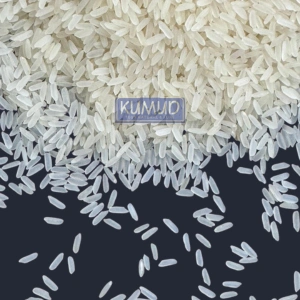
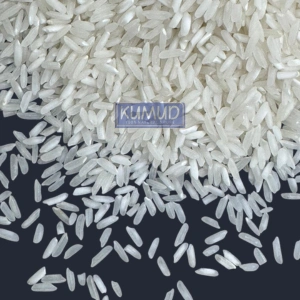
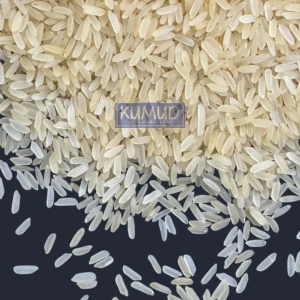
Parmal is one of India’s most widely traded non-basmati rice varieties, known for its steady grain quality and everyday cooking performance. Kumud’s Parmal is graded for size uniformity, low broken content, and clean, consistent grains, making it a dependable choice for large-volume buyers and everyday food service use.
Milled at our own facility and cleaned on modern sortex lines, every batch is checked for moisture, purity and grain integrity before it ships. Sourced from trusted growing belts and processed to meet export-grade standards, in bulk and under your own private label.
Why buyers choose Kumud's Parmal Rice
Grain that stays consistent, cooks reliably, and lands the same way every shipment.
Uniform grain size
Graded and sorted for consistent size, batch after batch.
Clean & low broken
Sortex-cleaned with tightly controlled broken content and cleaner grains.
Steady bulk supply
Sourced in volume with stable, dependable availability year-round.
Cost-effective for volume
Reliable rice priced right for large-quantity buyers.
Batch-to-batch consistency
Every shipment checked for purity and moisture consistency.
Export-grade spec sheet
A quick reference for procurement teams sourcing at scale.
| Variety / type | Non-Basmati medium grain |
| Average grain length (AGL) | 6.40 – 6.50 mm |
| Available forms | Raw · Steam · Sella |
| Moisture | 13% max |
| Broken grains | ≤ 1-2% (Sortex cleaned) |
| Damaged / discoloured | ≤ 2% |
| Foreign matter / admixture | Nil / ≤ 5-10% |
| Purity | ≥ 90-95% |
| Crop | Current season |
| Packaging | 1–50 kg · jute / PP / BOPP / non-woven · private label available |
Best uses:
Everyday household cooking, institutional catering, and bulk food service use.
Popular markets:
Africa, Middle East, and domestic wholesale and retail buyers.
Pricing & Get a Quote
Parmal rice price depends on form, packaging and destination port. Wholesale buyers ask for bulk pricing, retail buyers for smaller pack rates. Rates shared on request.
See the grain
Parmal Raw Non-Basmati Rice
Parmal Steam Non-Basmati Rice
Parmal Sella Non-Basmati Rice
Parmal Golden Sella Non-Basmati Rice
Our Cetifications








FAQs
Q1: Which is better, parmal rice or basmati rice?
Ans: Both suit different needs. Basmati offers long grains and aroma for biryani, while parmal is a practical, affordable choice for everyday, high-volume cooking.
Q2: What is the difference between parmal and basmati rice?
Ans: Basmati has longer grains, strong aroma, and elongation on cooking, while parmal has shorter, medium grains suited for regular daily meals.
Q3: What is parmal rice?
Ans: Parmal is a widely grown non-basmati rice variety known for its steady grain quality, making it a common choice for everyday and bulk cooking needs.
Q4: Is Parmal rice boiled rice?
Ans: Parmal is available in raw form as well as parboiled (sella) form, so it can be either, depending on the processing chosen.
Q5: What is parmal rice called in English?
Ans: Parmal is generally referred to by the same name in English, as it is a regional variety name used in the rice trade.