
Traditional Basmati Rice, Manufacturer and Bulk Exporter
Traditional Basmati Rice is cherished for its authentic aroma, naturally slender grains, and distinctive taste that has been appreciated for generations. Its rich heritage and exceptional cooking qualities make it a preferred choice for premium cuisines, hospitality businesses, and international rice buyers.
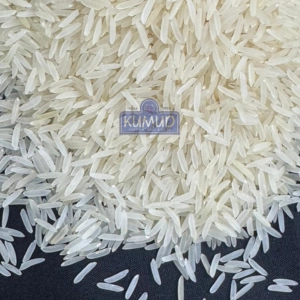
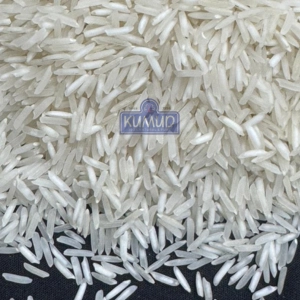
Why Buyers Choose Kumud's Traditional Basmati
A heritage basmati variety trusted for its authentic flavour, reliable quality, and export excellence.
Authentic Heritage
A traditional basmati variety valued for its long-standing reputation and distinctive character.
Natural Grain Appeal
Slender grains that deliver an elegant appearance before and after cooking.
Rich Aroma
Offers the classic basmati fragrance appreciated in premium culinary applications.
Carefully Processed
Professionally cleaned and graded to maintain consistency across every export shipment.
Global Supply Options
Available in multiple processing types with customized packaging for international buyers.
Export-grade spec sheet
Product specifications presented to help importers and procurement teams make informed sourcing decisions.
| Variety / type | Extra-long grain basmati |
| Average grain length (AGL) | 7.30 – 7.40 mm |
| Available forms | Raw · Steam · Sella (Parboiled) · Golden Sella |
| Moisture | 12.5% max |
| Broken grains | ≤ 1% (Sortex cleaned) |
| Damaged / discoloured | ≤ 1% |
| Foreign matter / admixture | Nil / ≤ 5% |
| Purity | ≥ 92-93% |
| Crop | Current season |
| Packaging | 1–50 kg · jute / PP / BOPP / non-woven · private label available |
Best uses:
Ideal for authentic biryani, pulao, festive meals, and premium traditional rice preparations.
Popular markets:
Exported to wholesalers, retailers, and food service businesses across the Middle East, Europe, Africa, and Asia.
Pricing & Get a Quote
Traditional Basmati Rice prices vary depending on the processing type, packaging, order quantity, and export destination. Contact our team for the latest bulk pricing and customized quotations tailored to your sourcing needs.
See the grain
Traditional Raw Basmati Rice
Traditional Steam Basmati Rice
Traditional White Sella Basmati Rice
Traditional Golden Sella Basmati Rice
Our Certifications









FAQs
Q1: Which is the original Basmati Rice?
Ans: Traditional Basmati Rice is widely recognized as the original basmati, valued for its authentic aroma, slender grains, and distinctive cooking characteristics.
Q2: How to identify original Basmati Rice?
Ans: Original basmati is identified by its naturally long grains, characteristic aroma, slender appearance, and grain separation after cooking.
Q3: Which Basmati Rice is best in quality?
Ans: The best-quality basmati rice depends on grain characteristics, aroma, texture, and intended use. Different varieties are preferred for different culinary and commercial needs.
Q4: Is Traditional Basmati Rice brown or white?
Ans: Traditional Basmati Rice is available in both brown and white forms, depending on the level of milling and processing before packaging.
Q5: Which variety of Basmati Rice is best?
Ans: The best basmati variety depends on cooking preferences, grain quality, aroma, and market requirements, as each variety offers unique characteristics.
Q6: What is Type 3 Basmati Rice?
Ans: Type 3 Basmati Rice is a classification used for specific basmati varieties that meet defined grain quality and processing standards for different markets.
Q7: Which type of Basmati Rice is healthiest?
Ans: The healthiest type depends on individual dietary preferences, nutritional requirements, and the level of processing, as different basmati varieties offer different benefits.