
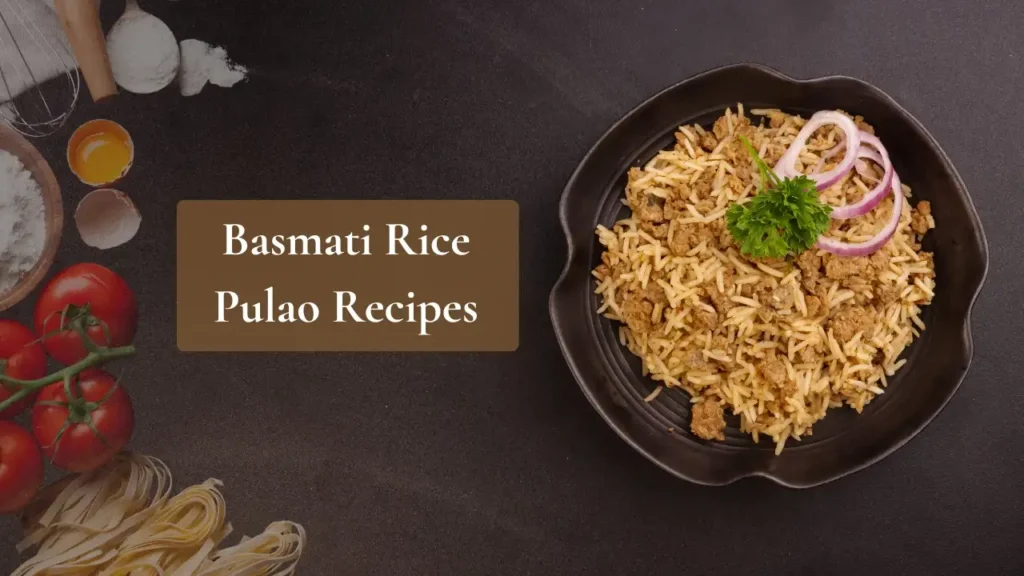
Pulao looks like one of the simplest rice dishes to make. One pot, a handful of spices, some rice and water. Yet most home cooks have had at least one batch turn out mushy, sticky, or flat in flavour and could not figure out why.
The truth is that pulao has more moving parts than it appears. The rice variety you use, how long you soak it, how you handle the spices, and what you do after the flame goes off all of it matters.
This guide covers everything: why Basmati is the right rice for pulao, the technique behind perfect results, common mistakes and how to fix them, and the real difference between pulao and biryani.
What Is Pulao and Where Did It Come From?
Pulao is one of India’s most cooked everyday rice dishes but its origins are not Indian at all. The dish traces back to ancient Persia, where it was known as “pilaf” rice cooked in seasoned broth with fat and spices. It traveled to India through Mughal influence, finding its way into royal kitchens where cooks refined it with local spices, aromatics, and regional ingredients.
Over centuries it spread across the subcontinent. Every region adapted it to local tastes South India added coconut milk, Kashmir added saffron and dry fruits, Mumbai gave it a street food identity. What started as a Persian court dish became an everyday meal in millions of Indian homes.
Why Basmati Rice Is the Best Choice for Pulao
Not all rice makes good pulao. The dish depends on grains that stay long, separate, and fragrant after cooking and that is exactly what Basmati does naturally.
Three reasons Basmati works best:
- Grain elongation: Basmati grains nearly double in length on cooking. This gives pulao its signature appearance of long, distinct grains that look as good as they taste.
- Non-sticky texture: Basmati has high amylose content which keeps grains fully separate after cooking. In pulao every grain should stand on its own not clump together.
- Aroma: Basmati’s natural fragrance compound 2-acetyl-1-pyrroline releases during cooking and works beautifully with whole spices like cardamom, cloves, and bay leaf.
Which Basmati variety works best for pulao?
- 1121 Basmati Steam — best grain separation and elongation, ideal for special occasion pulao.
- 1401 or Pusa Basmati — consistent results for everyday pulao at a lower cost.
- 1509 Basmati — budget option, works for bulk cooking where cost matters more than premium presentation.
Always use aged Basmati minimum 12 months old. Fresh crop rice has higher moisture and breaks easily during cooking.
The Basics That Make or Break a Pulao
Before the pot goes on the flame, four things need to be right. Get these wrong and no technique will save the dish.
Soaking the Rice
Soak Basmati in clean water for 25–30 minutes before cooking. During soaking, water slowly enters the grain this means the rice cooks evenly from inside out and grains stay intact. Skip this step and the outside of the grain cooks faster than the inside leading to broken, uneven rice.
Water Ratio
The standard ratio for pulao is 1 cup rice to 1.75 cups water. But two things change this:
- Aged Basmati absorbs more water reduce slightly.
- Soaked rice needs less water than unsoaked.
- Pressure cooker needs less water than open pot.
Ghee vs Oil
Both work but ghee performs better. It adds richness, coats the grains more evenly, and helps spices bloom faster and more fully. Oil gives a lighter, less aromatic result. For everyday pulao oil is fine. For special occasion pulao, use ghee.
Spice Blooming
Whole spices must go into hot fat before anything else. The aroma compounds in spices like cardamom, cloves, and cinnamon are fat-soluble; they only release properly in oil or ghee. Add them to water and most of the flavour stays locked inside. Fry them in fat for 30–45 seconds and the whole kitchen smells different.
How to Make Basmati Rice Pulao Step by Step
Ingredients
- Aged Basmati rice — 1 cup (1121 or 1401).
- Ghee or oil — 2 tablespoons.
- Whole spices — 1 bay leaf, 3 cloves, 2 cardamom, 1 small cinnamon stick, 1 tsp cumin seeds.
- Onion — 1 medium, thinly sliced.
- Ginger garlic paste — 1 teaspoon.
- Vegetables of choice — 1 cup (optional).
- Salt — to taste.
- Water — 1.75 cups.
Method
- Step 1: Wash rice 2–3 times until water runs clear. Soak in clean water for 25–30 minutes. Drain completely.
- Step 2: Heat ghee in a heavy bottomed pot on medium heat. Add whole spices. Fry for 30–45 seconds until fragrant.
- Step 3: Add sliced onions. Cook on medium heat until golden brown around 8–10 minutes. Do not rush this step.
- Step 4: Add ginger garlic paste. Cook for 1–2 minutes until the raw smell disappears.
- Step 5: Add vegetables if using. Saute for 2–3 minutes.
- Step 6: Add drained rice. Gently stir to coat every grain with ghee and spices. Do this for about 1 minute and do not break the grains.
- Step 7: Add water and salt. Stir once gently.
- Step 8: Bring to a full boil. Then reduce heat to the lowest setting. Cover with a tight fitting lid.
- Step 9: Cook for 12–15 minutes on low heat. Do not open the lid during this time.
- Step 10: Turn off the heat. Keep the lid on and rest for 8–10 minutes. This step is not optional; the steam inside finishes cooking the rice evenly.
- Step 11: Open lid. Fluff gently with a fork. Serve hot.
Common Pulao Mistakes and How to Fix Them
Even experienced cooks run into problems with pulao. Here are the most common mistakes and exactly what to do about them:
| Mistake | Why It Happens | Fix |
|---|---|---|
| Mushy rice | Too much water or lid opened during cooking | Reduce water by 2 tbsp, never open lid mid-cooking |
| Sticky grains | Rice not soaked, wrong variety used | Soak 25–30 mins, always use aged Basmati |
| Bland pulao | Spices not bloomed properly in fat | Fry whole spices in ghee before adding anything else |
| Broken grains | Rice stirred too much during cooking | Stir only once before covering, fluff gently after resting |
| Undercooked rice | Heat too high, water evaporated too fast | Cook on lowest heat with a tight fitting lid |
| No aroma | Fresh crop Basmati used | Switch to aged Basmati minimum 12 months old |
Pulao vs Biryani — What Is the Real Difference?
Many people use the two names interchangeably. They are not the same dish.
Pulao and biryani both use Basmati rice and whole spices but the cooking method, spice level, and effort involved are completely different.
Pulao:
- Rice and ingredients cooked together in one pot.
- Mild to medium spicing the focus is on fragrance not heat.
- Ready in 30–40 minutes.
- Simple enough for an everyday meal.
Biryani:
- Rice and gravy cooked separately then layered together.
- Heavily spiced, rich, complex gravy.
- Dum cooking, pot sealed with dough or foil, slow steamed.
- Minimum 1.5 to 2 hours to make properly.
- Reserved mostly for special occasions.
The simplest way to remember pulao is about clean fragrance and simplicity. Biryani is about layered richness and complexity. Both need good Basmati rice but for very different reasons.
Popular Types of Pulao Made Across India
Pulao is not one dish, it is a family of dishes. Every region in India has its own version, shaped by local ingredients, climate, and food culture.
- Matar Pulao — the most common everyday version. Green peas, cumin, and simple spices. Found in almost every North Indian home.
- Kashmiri Pulao — saffron, milk, dry fruits, and a hint of sweetness. Rich, aromatic, and served at festive meals.
- Yakhni Pulao — rice cooked in meat stock instead of water. Deeply savory, subtle spicing. A North Indian specialty with roots in Mughal cooking.
- Tawa Pulao — Mumbai’s street food answer to pulao. Cooked on a flat griddle with pav bhaji masala and vegetables. Bold, spicy, and fast.
- Coconut Milk Pulao — South Indian style. Coconut milk replaces water, giving the rice a mild sweetness and creamy texture.
- Lucknowi Pulao — Awadhi tradition. Subtle spices, rose water, and a delicate fragrance. Elegant and understated.
- Capsicum Pulao — a simple weekday version popular across South India. Bell peppers, curry leaves, and minimal spicing.
Conclusion
Pulao is one of India’s most versatile rice dishes simple enough for a weekday dinner, special enough for a celebration. But simple does not mean effortless. The right Basmati variety, proper soaking, blooming the spices in fat, and resting the rice after cooking these are the four things that separate a forgettable pulao from one people ask for again. Get these right and perfect pulao stops being occasional. It becomes repeatable.