Rice is a staple food for more than half of the world’s population. Yet low-carb diet trends have made many people see it as unhealthy. So, is rice good for health, or should you avoid it? The answer depends on the type you choose and how you eat it. Let’s look at what rice really offers, from its key nutrients to the benefits of rice that often get overlooked, and how to pick the right type for your plate.
Nutritional Value of Rice
Rice is mainly made of carbohydrates, which your body uses as its main source of energy. It is also naturally low in fat and contains no cholesterol. Here is a quick look at what nutrients are in rice per 100g of cooked white rice, the most commonly eaten type:
| Nutrient | Amount (per 100g, cooked) |
|---|---|
| Calories | 130 kcal |
| Carbohydrates | 28.2 g |
| Protein | 2.7 g |
| Fat | 0.3 g |
| Fiber | 0.4 g |
The vitamins in rice come mostly from the B group, including thiamine, niacin and vitamin B6. It also provides minerals such as manganese, selenium, magnesium and phosphorus. Brown rice keeps its bran layer, so it offers more fiber and minerals. In India, fortified rice with added iron, folic acid and vitamin B12 is also supplied through government food schemes.
Health Benefits of Rice
These nutrients shape the real benefits of rice. Here is how rice supports your body.
Provides Quick and Lasting Energy
Rice is rich in carbohydrates, which your body breaks down into glucose. This glucose fuels your muscles and brain through the day. That is why rice works well for active people and athletes. Brown and basmati rice release energy more slowly, which may help keep blood sugar steadier.
Gentle on the Stomach
White rice is low in fiber and easy to digest. This is why meals like khichdi and curd rice are often served during illness or recovery. They give the body energy without putting extra load on an upset stomach. Plain rice is also easy to eat when appetite is low.
Supports Gut Health
When cooked rice is cooled, part of its starch turns into resistant starch. This type of starch is not fully digested and feeds the good bacteria in your gut. Studies suggest cooled rice may also cause a smaller rise in blood sugar than freshly cooked rice. Just refrigerate it promptly after cooking.
Naturally Gluten-Free
Rice contains no gluten, so it is a safe grain choice for people with celiac disease or gluten sensitivity. It can easily replace wheat in daily meals. Just check labels on packaged rice products, as some may contain or be processed with gluten.
Makes a Complete Protein with Dal
One of the key benefits of eating rice is how well it pairs with dal. Rice is low in the amino acid lysine, while pulses are rich in it. Together, dal and rice provide a balanced mix of essential amino acids, making this simple meal a good protein source for vegetarians.
Which Rice Is Good for Health?
Each type of rice offers something different:
| Rice Type | Key Benefit | Best For |
|---|---|---|
| White | Easy to digest, quick energy | Recovery meals, sensitive stomachs |
| Brown | Higher fiber, supports heart health as a whole grain | Everyday meals, better fiber intake |
| Basmati | Lower GI than many white rice varieties | People watching blood sugar |
| Parboiled | Retains more B vitamins | Nutrient-rich daily rice |
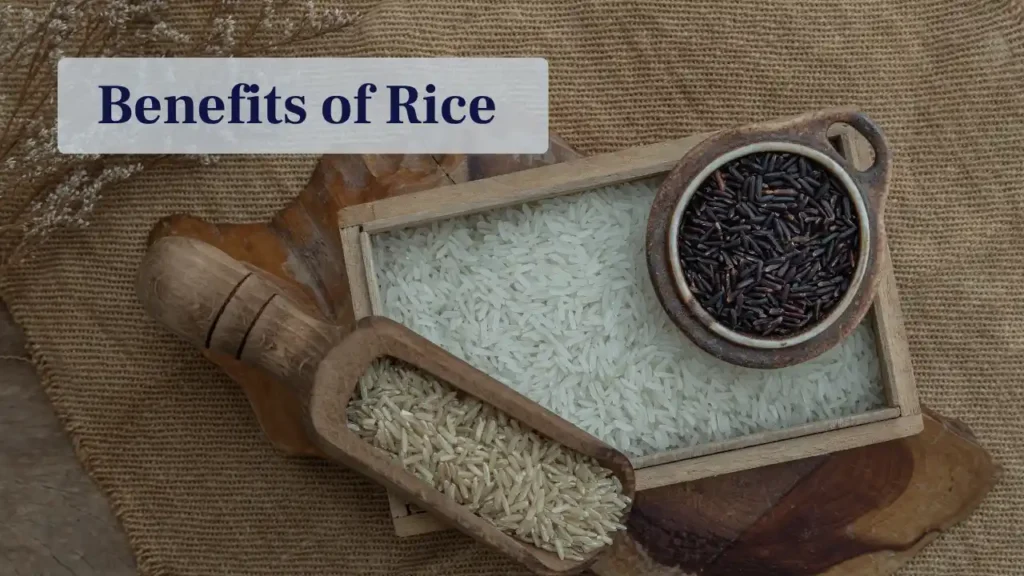
| Red / Black | Rich in antioxidants called anthocyanins | Adding variety and antioxidants |
So, is white rice healthy? Yes, in sensible portions. It is easy to digest, and weight gain comes from excess calories overall, not from white rice alone. If you watch your blood sugar, basmati rice is a smarter pick, as it usually has a lower glycemic index than regular white rice.
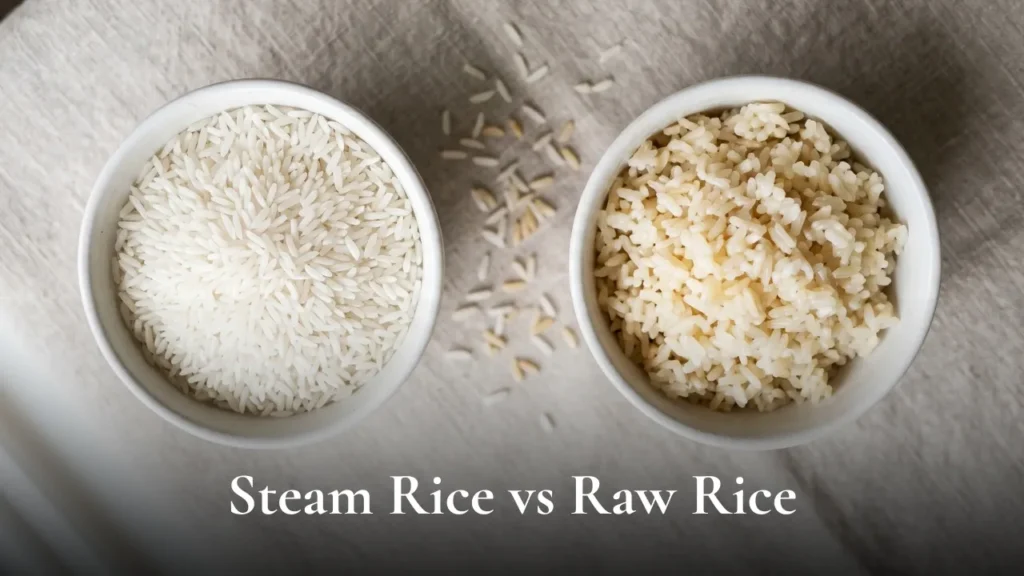
Parboiled rice is steamed in its husk before milling, which pushes some B vitamins into the grain.
Is Eating Rice Daily Good for Health?
Yes, rice can be part of your daily diet when you get the portion and pairing right.
These habits help:
- Rinse rice before cooking and boil it in extra water, then drain. This can lower its arsenic content.
- Pair it with dal, vegetables or other protein.
- Keep rice to about a quarter of your plate.
- Try cooled rice sometimes for its resistant starch.
If you have diabetes, choose brown or basmati rice and follow your doctor’s advice on portions.
Final Thoughts
Rice gives you steady energy, is easy to digest and is naturally gluten-free. Choosing the right type, like brown, basmati or parboiled, adds more value. You do not need to cut it out. Watch your portions, mix up varieties and pair it well to enjoy the full benefits of rice.
FAQs
Q1: Is rice a carb or protein?
Ans: Rice is mainly a carbohydrate. It has about 2.7 g protein per 100 g cooked, so pair it with dal for more protein.
Q2: What will happen if I eat rice daily?
Ans: In balanced portions, daily rice gives steady energy and fits healthy eating. Eating too much without protein or vegetables may cause weight gain.
Q3: How much rice should I eat every day?
Ans: There is no fixed amount. It depends on age, activity and health. A good guide is to keep rice to about a quarter of your plate.
Q4: What is the best time to eat rice?
Ans: There is no strict rule, but lunch works well since you stay active afterwards. At dinner, a smaller portion is a sensible choice.
Q5: Is rice better than roti?
Ans: Neither is better overall. Whole wheat roti has more fiber and protein, while rice is easier to digest. A mix of both suits most diets.