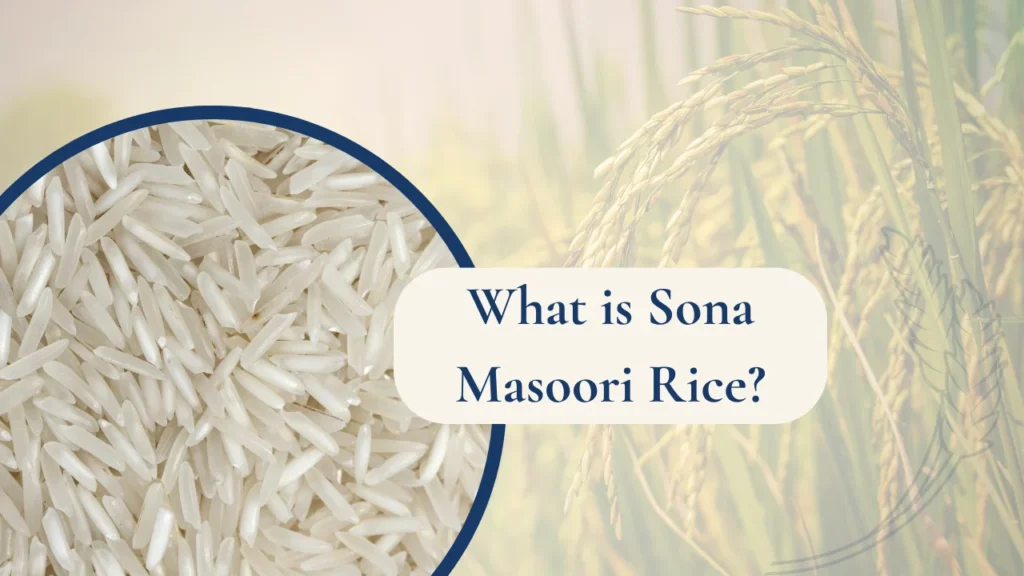
Sona Masoori rice is a medium-grain rice grown mainly in South India. It is light in weight, mildly aromatic, and known for its soft, fluffy texture after cooking. The name comes from two parent rice varieties, Sona and Mahsuri, which were crossed to create this variety.
Understanding the sona masoori rice meaning why it has become a daily staple across Andhra Pradesh, Telangana, and Karnataka, used in everything from simple steamed rice to festive dishes.
About Sona Masoori Rice
Sona Masoori is a cross between the Sona and Mahsuri rice varieties, developed to combine the best traits of both. The grains are short to medium in length, chalky white, and lighter than basmati rice, both in weight and feel. This variety is grown across Andhra Pradesh, Telangana, Karnataka, and parts of Tamil Nadu, where it forms part of daily cooking in most households. It thrives well in the warm, humid climate of South India, particularly in the river basins that support large-scale paddy cultivation. Over the years, it has moved beyond South India and is now available in grocery stores across the country and abroad.
Nutritional Value of Sona Masoori Rice (per 100g)
Sona Masoori rice offers a good mix of energy and essential nutrients, making it a practical choice for daily meals. Below is the sona masoori rice nutrition 100g breakdown for raw, uncooked rice.
| Nutrient | |
|---|---|
| Energy | 110 kcal |
| Protein | 2.5 g |
| Carbohydrates | 25 g |
| Fiber | 1.2 g |
| Manganese | 0.3 mg |
These sona masoori rice nutrition facts 100g show it is primarily a carbohydrate source with a modest protein and fiber content. In terms of sona masoori rice calories, it sits on the lighter side compared to many other rice varieties, which is one reason it is often chosen for everyday meals.
Health Benefits of Sona Masoori Rice
Sona Masoori rice comes with a few practical advantages that make it a favored choice in many households.
- It has a low glycemic index, around 51, which means it raises blood sugar more slowly compared to high-GI foods.
- Because of this, sona masoori rice is often considered a suitable option for people who need to watch their blood sugar levels, though it should still be eaten in moderation as part of a balanced diet.
- It has a lower starch content, which makes it easier to digest for most people.
- Compared to basmati or other long-grain varieties, it is lighter and lower in calories, which is why it fits well into calorie-conscious meal planning.
- The unpolished version retains more of its natural bran coating, giving it a higher fiber content than the polished variety.
Types of Sona Masoori Rice
Sona Masoori rice is available in a few different forms, depending on processing.
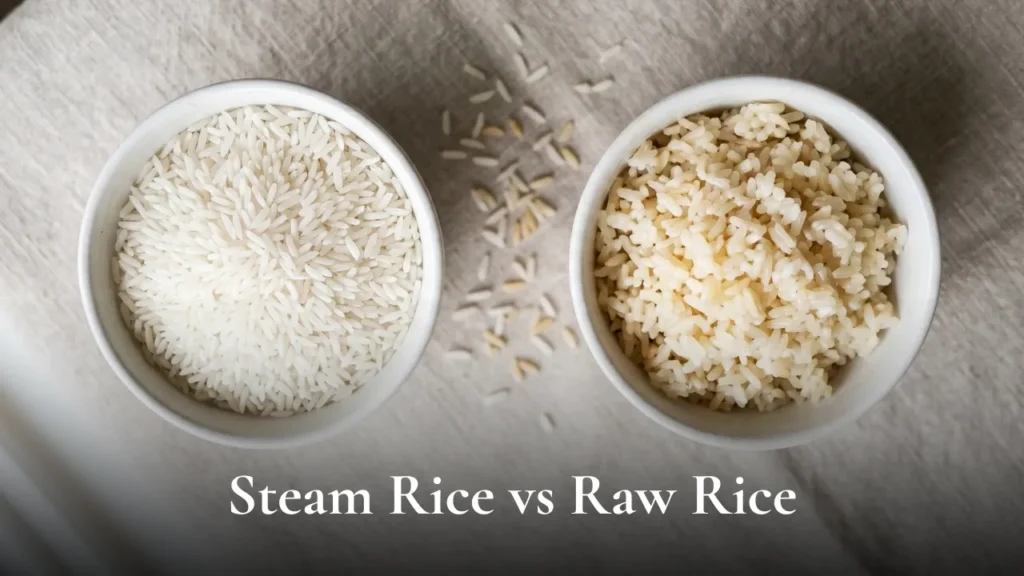
- Raw Sona Masoori: Minimally processed after milling, without any parboiling. It cooks into soft, fluffy grains and is used for everyday meals.
- Steamed Sona Masoori: The paddy goes through a light parboiling process before milling. This gives the grains a slightly firmer texture than raw rice, while still staying close to its natural white color.
- Sella Sona Masoori: The paddy undergoes a more intensive parboiling process, involving soaking, steaming, and drying. This results in a harder grain with a golden or amber tinge, and grains that stay separate and firm after cooking.
- Polished vs Unpolished: Polished rice has the bran layer removed, giving it a whiter appearance, while unpolished (brown) rice retains the bran, along with more fiber and nutrients.
Knowing the sona masoori rice types helps in picking the right one based on the dish and texture you want. Kumud supplies raw, steamed, and sella Sona Masoori rice in bulk — check our Sona Masoori Rice specs and pricing.
Uses of Sona Masoori Rice
Sona Masoori rice works well in a range of South Indian dishes because of its light texture and mild flavor.
- Steamed rice for everyday meals.
- Pongal.
- Coconut rice.
- Idli batter.
- Khichdi.
- Biryani and pulao, in some regional preparations.
Its soft, fluffy texture and mild taste make it easy to pair with curries, dals, and lightly spiced dishes, which is why it remains a common choice across South Indian kitchens.
FAQs
Q1: Which raw rice is best for daily use?
Ans: Sona Masoori is a popular choice for daily use because it is light, cooks soft and fluffy, and suits everyday meals like rice, curry, and dal.
Q2: Is Sona Masoori rice unhealthy?
Ans: No, it is not unhealthy. It is a light, easy-to-digest rice with a low glycemic index, making it a reasonable choice for regular meals.
Q3: Can I eat Sona Masoori rice daily?
Ans: Yes, Sona Masoori can be eaten daily in moderate portions. It is light, low in starch, and commonly used as an everyday rice in South India
Q4: What is the difference between Sona Masoori and raw rice?
Ans: “Raw rice” is a general term for unprocessed rice. Sona Masoori is a specific raw rice variety, known for its light grains and mild aroma.