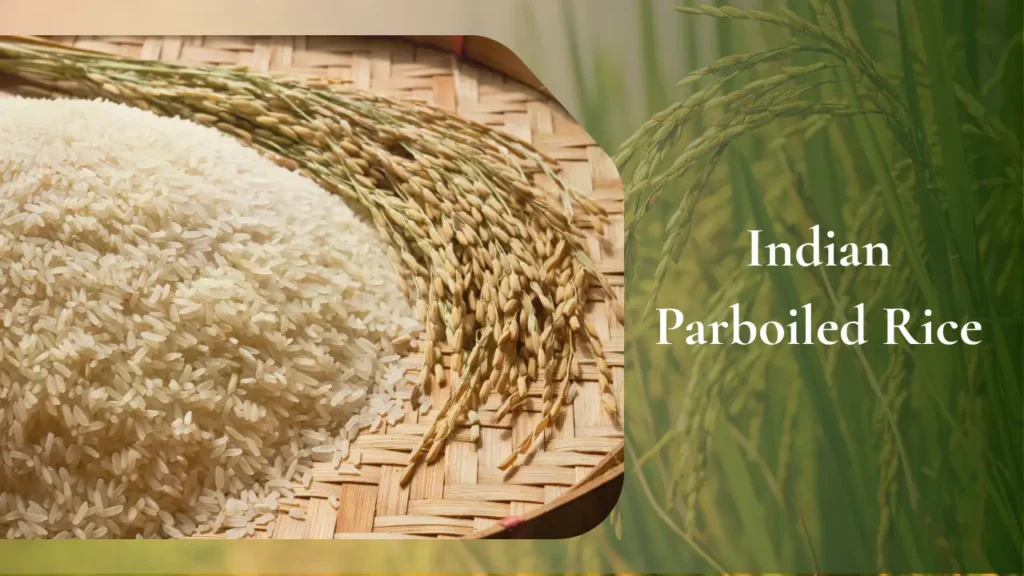
Indian parboiled rice is rice that goes through a partial boiling process while the paddy is still in its husk. This step happens before the milling stage. The husk is soaked and steamed, which changes the texture and structure of the grain before it is dried and milled into rice.
This method of processing has been used in India for a long time and is common across many rice growing regions. Once cooked, Indian parboiled rice has a firmer texture compared to regular white rice, and the grains tend to stay separate rather than sticking together. This makes it a preferred choice for many households and export markets that need rice with consistent grain quality.
How Indian Parboiled Rice is Made
The process of making Indian parboiled rice involves a few clear stages. Each stage plays a role in how the final grain looks, feels, and cooks.
Soaking
The paddy is first soaked in water. This step softens the grain and prepares it for the steaming process that follows. Proper soaking helps the grain absorb moisture evenly.
Steaming
After soaking, the paddy is steamed while still in its husk. This is the core part of the parboiling process. Steaming firms up the grain and helps it hold its shape better during milling and cooking.
Drying and Milling
Once steamed, the paddy is dried to bring down the moisture content to a suitable level. After drying, it goes through milling, where the husk is removed and the rice is cleaned and polished for final use.
Each of these stages affects the quality of the finished rice, including how it cooks and how well it holds up during storage and transport.
Common Varieties of Indian Parboiled Rice
Indian parboiled rice is available in different varieties, each suited to different needs and preferences.
Long Grain Varieties
Varieties like IR64 parboiled and Swarna parboiled rice are known for their long grain length and consistent size. These are widely used because of their steady cooking behaviour and good head rice yield.
Sella Varieties
Golden Sella and White Sella are two common types under the Sella category. The main difference between them lies in the level of polishing and colour, with Golden Sella retaining a slightly deeper shade and White Sella appearing lighter after processing.
- Long grain varieties are known for uniform grain size and low breakage.
- Sella varieties are known for their distinct colour and grain finish.
- Both types are used depending on regional and buyer preference.
How Buyers Can Evaluate Parboiled Rice Quality
For buyers looking to source Indian parboiled rice, checking a few key factors can help in making the right decision.
Broken Percentage
A lower broken percentage usually indicates better processing and higher quality. Buyers often look at this figure closely, since it affects both the appearance and the cooking consistency of the rice.
Moisture Content
Moisture content plays a direct role in how well the rice holds up during storage and shipping. Rice with the right moisture level is less likely to develop quality issues over time.
Grain Length and Uniformity
Consistent grain length and shape are signs of proper sorting and milling. Uniform grains also tend to cook more evenly, which is an important factor for buyers placing bulk orders.
Why Indian Parboiled Rice is Preferred in Export Markets
Indian parboiled rice holds a steady position in export markets for a few practical reasons. Its firmer texture and non-sticky grains make it suitable for large scale cooking, which is common in many importing regions. The rice also has a good shelf life, which supports long transport routes and storage before reaching the end buyer. Suppliers in India are able to offer bulk supply, which works well for importers who need consistent volumes on a regular basis. Together, these factors make Indian parboiled rice a reliable choice for buyers looking for quality and consistency in international markets.
Final Thoughts
Indian parboiled rice remains a practical choice for buyers who value consistent texture, good shelf life, and reliable bulk supply. Understanding how it is made and knowing what to check for in terms of quality can help buyers make more informed sourcing decisions in the export market.
FAQs
Q1: What is parboiled rice called in India?
Ans: In India, parboiled rice is commonly known as sella rice or usna rice, depending on the region. These names refer to the same partial boiling process used before milling.
Q2: What is another name for parboiled rice?
Ans: Parboiled rice is also referred to as converted rice in some markets. The term describes the same process of partial boiling before the rice is milled.
Q3: Is Sona Masoori rice parboiled?
Ans: Sona Masoori is available in both raw and parboiled forms. The parboiled version goes through the same soaking, steaming, and drying process as other parboiled rice varieties, while the raw version skips this step.
Q4: What is the difference between normal rice and parboiled rice?
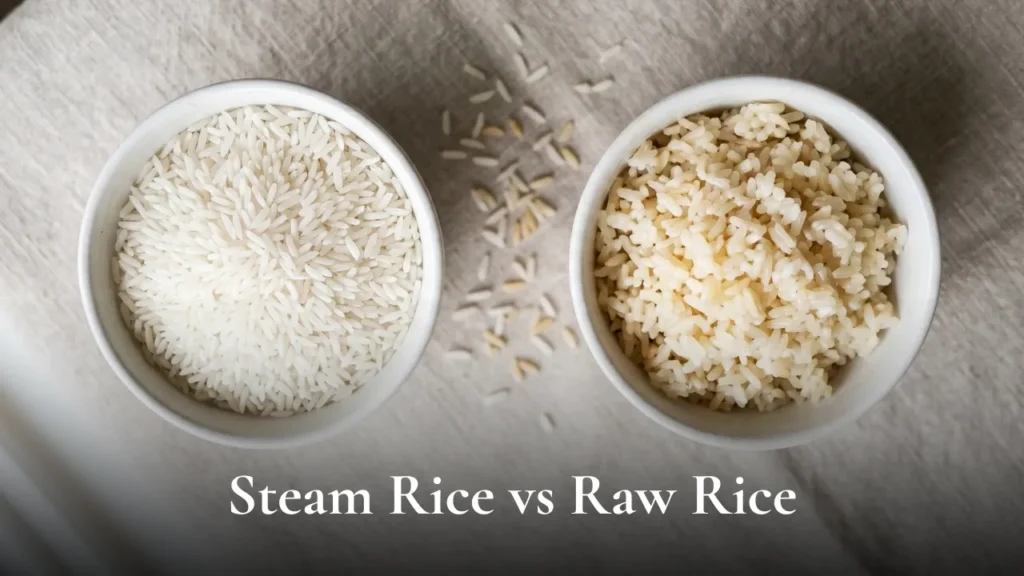
Ans: Normal rice is milled directly after harvesting, while parboiled rice goes through soaking and steaming before milling. This gives parboiled rice a firmer texture and helps the grains stay separate after cooking, unlike normal rice which can turn softer and stickier.
Q5: Which is better, parboiled rice or regular rice?
Ans: This depends on the intended use. Parboiled rice holds its shape well and works better for dishes that need separate, non-sticky grains, while regular rice is often preferred for dishes that need a softer texture. Neither is better overall, it comes down to preference and cooking style.
Q6: Can I eat parboiled rice every day?
Ans: Parboiled rice can be included as part of regular meals like any other rice variety. As with any staple food, it works best as part of a varied and balanced diet.