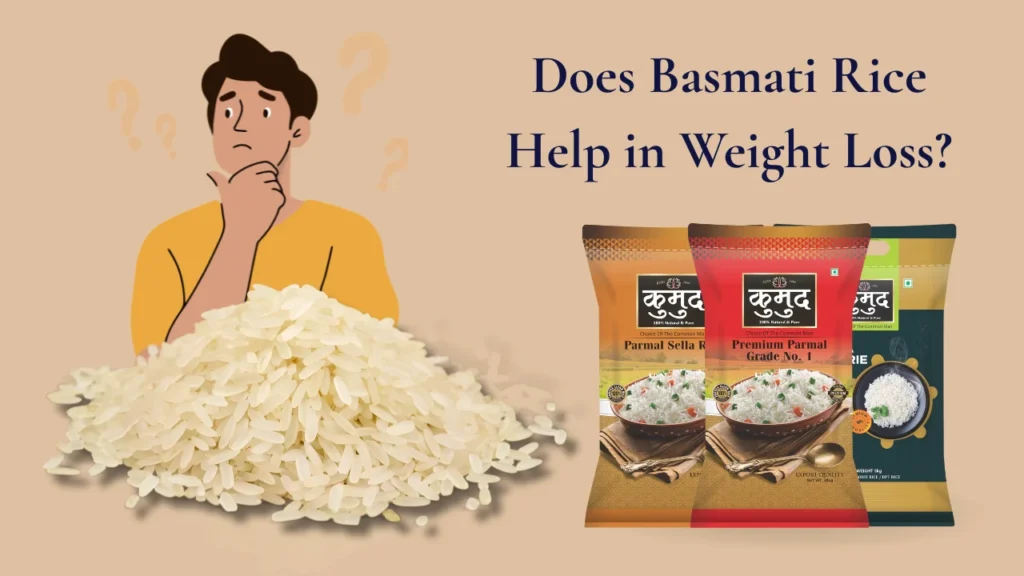
Rice often gets blamed for weight gain, and many people avoid it while trying to lose fat. But does basmati rice help in weight loss? More people are turning to basmati as a smarter alternative to regular rice. Its lower calorie count and gentle effect on blood sugar make it popular among health conscious eaters. Let’s take a closer look at how it really works.
Is Basmati Rice Fattening?
Many people believe that eating rice leads to weight gain. This idea comes from the fact that rice is a carbohydrate, and carbs are often seen as the enemy of weight loss. But no single food makes you fat on its own. Weight gain happens when you eat more calories than your body burns, regardless of the food. Portion size matters more than the food itself.
Basmati rice is not fattening when eaten in the right amount. It has a lower calorie count and glycemic index than many other rice types, which makes it a smarter pick for weight management.
Basmati Rice Calories
A cup of cooked basmati rice contains around 200 calories, with about 45 grams of carbohydrates, 4 grams of protein, and a small amount of fibre.
Compared to other rice types, basmati still holds up well:
| Rice Type | Calories (per cooked cup) | Carbohydrates |
|---|---|---|
| Basmati Rice | 200 | 45g |
| White Rice | 242 | 53g |
| Jasmine Rice | 238 | 50g |
| Sticky Rice | 260 | 53g |
These numbers show that basmati rice is not a high calorie food. When eaten in a normal portion, it fits easily into a weight loss diet without adding excess calories.
Why Basmati Rice Helps With Weight Loss
Basmati rice has a low to medium glycemic index, usually between 50 and 58. This means it releases glucose into the blood slowly instead of causing a quick spike. Stable blood sugar levels help reduce hunger pangs and unnecessary snacking, which supports basmati rice weight loss goals.
Basmati rice also has a higher amylose content than many other rice varieties. Amylose is a type of starch that digests slowly, which keeps you feeling full for longer after a meal.
Here is a simple trick to get more out of it: cook the rice, then let it cool for a few hours before eating. This process increases the resistant starch content, which can lower the effective glycemic index even further.
Tips to Include Basmati Rice in a Weight Loss Diet
Stick to a serving size of half a cup to one cup of cooked basmati rice per meal. Measuring your portion helps you stay within your calorie goals. Not sure which variety suits your everyday meals? Check out our guide on which basmati rice is best for daily use. Pair it with dal, vegetables, and a source of lean protein like chicken, fish, or paneer. This makes the meal more filling and balanced.
If your meal already includes roti, adjust the rice portion accordingly. Eating both roti and a full serving of rice in the same meal can add up in calories quickly. Cooking methods matter too. Boiling or steaming basmati rice keeps it light, while frying or adding heavy oil increases the calorie count.
Conclusion
So, does basmati rice help in weight loss? Yes, when eaten in the right portion and paired with a balanced diet. Its lower calorie count, moderate glycemic index, and higher amylose content make it a smarter choice than many other rice types. Combine it with portion control and regular activity for the best results.
FAQs
Q1: Is basmati rice ok for weight loss?
Ans: Yes, basmati rice is fine for weight loss when eaten in moderate portions. Its lower calorie count and medium glycemic index make it a better choice than regular white rice.
Q2: Can I lose weight by eating rice daily?
Ans: Yes, if you control your portion size and stay within your daily calorie needs. Rice alone does not cause weight loss or gain, your total diet does.
Q3: Which rice is better, basmati or normal?
Ans: Basmati rice is generally better for weight management. It has fewer calories and a lower glycemic index compared to regular white rice, based on the numbers shared earlier.
Q4: Which rice is better for you, basmati or jasmine?
Ans: Basmati rice is the better option. It has fewer calories per cup and a lower glycemic index than jasmine rice, making it more suitable for weight management.