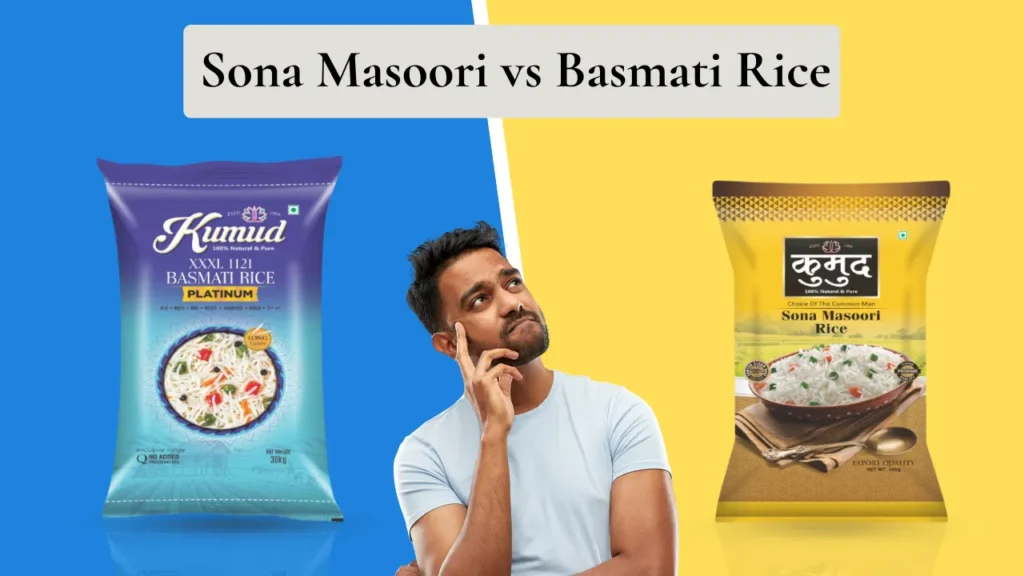
Choosing between Sona Masoori and Basmati rice is a common decision point for buyers, cooks, and rice traders alike. Both are among the most recognized rice varieties from India, yet they come from different growing regions, carry different grain structures, and serve different purposes on the plate. Sona Masoori vs Basmati comparisons often come up when someone is trying to decide which rice fits a particular dish, diet, or sourcing requirement.
Sona Masoori is grown mainly in South India, while Basmati comes from the Himalayan foothill regions of North India. Beyond their origins, the two vary in grain size, aroma, cooking behavior, and how they are used across different cuisines. This comparison looks closely at each of these differences, so buyers and cooks can make an informed choice based on what they actually need.
Sona Masoori Rice: Origin and Characteristics
Sona Masoori is a medium grain rice variety grown mainly in Andhra Pradesh, Telangana, and Karnataka. The name comes from a cross between two rice strains, Sona and Masoori, and reflects the light golden shade the grains take on after cooking. This is often what people mean when they ask about Sona Masoori rice meaning, the name points to both its parentage and its appearance.
Sona Masoori is a non-basmati variety, distinct in structure from long grain aromatic rice. It has a lighter grain compared to many other rice types, which makes it easier to cook in smaller quantities without extra preparation. It is widely grown and consumed across South India, where it forms a regular part of daily meals rather than being reserved for special occasions.
Basmati Rice: Origin and Characteristics
Basmati rice is grown primarily in the Himalayan foothill regions, across parts of Punjab, Haryana, Uttarakhand, and neighboring areas in India and Pakistan. The word Basmati means fragrant in Hindi, a name that reflects the variety’s most defining trait. The soil and climate of this belt play a direct role in shaping the grain’s aroma and cooking qualities, which is why Basmati grown outside this region rarely matches the same character.
Basmati is a long grain variety, and much of what makes it distinct comes from aging. Freshly harvested Basmati is often aged for several months before it reaches the market, a process that reduces moisture content and improves grain elongation during cooking. This aging step is a key reason Basmati behaves differently from other rice varieties, including Sona Masoori, once it hits the pot. Basmati itself comes in several varieties, from 1121 to Traditional Dehraduni, each with its own grain length and aroma profile.
How the Grains Differ in Size and Structure
The most visible difference between the two lies in grain length and structure. This affects not just appearance but also how each rice behaves once cooked.
| Factor | Sona Masoori | Basmati |
|---|---|---|
| Grain length | Short to medium | Long and slender |
| Shape | Slightly rounded | Elongates further after cooking |
| Structure after cooking | Compact, holds shape | Grains separate and elongate visibly |
| Starch behavior | Softer bite, less elongation | Aged starch supports elongation |
Basmati’s elongation comes from its aging process, which lowers moisture content and changes starch composition before it reaches the market. Sona Masoori does not go through the same aging step, which is why it retains a shorter, more compact grain structure even after cooking.
Fragrance and Flavor Profile
Aroma is where Basmati stands apart most clearly. Its scent comes from a natural compound called 2-acetyl-1-pyrroline, present in higher concentration in Basmati than in most other rice varieties. This gives it a distinct, nutty fragrance that intensifies during cooking. Sona Masoori carries a much milder scent, subtle enough that it does not dominate the dishes it is paired with.
The flavor difference follows a similar pattern. Basmati has a slightly nutty taste with light floral notes, shaped in part by its aging process. Sona Masoori has a neutral, mild flavor, which is one reason it works well as an everyday base rice alongside stronger flavored curries and side dishes.
How Each Rice Behaves When Cooked
Sona Masoori and Basmati ask for different handling in the kitchen, and getting the water ratio or timing wrong changes the final texture noticeably. Basmati’s soaking step allows the aged grain to absorb water evenly before heat is applied, which supports the elongation it is known for, while Sona Masoori skips this step altogether since its shorter grain does not need the same preparation.
| Factor | Sona Masoori | Basmati |
|---|---|---|
| Water ratio | Requires less water | Needs comparatively more water |
| Cooking time | Cooks faster | Takes longer to cook |
| Soaking | Not necessary | Often soaked for 20-30 minutes before cooking |
| Grain separation | Grains stay close together | Grains stay separate and fluffy |
Which One Should You Choose
The right choice depends on what the rice is being used for. For everyday meals where quick cooking and a mild flavor matter more than presentation, Sona Masoori is the practical option. It fits easily into daily cooking routines without extra preparation steps.
For dishes where aroma, grain length, and visual presentation are part of the appeal, such as biryani or pulao, Basmati is the better fit. Buyers sourcing rice for premium or specialty markets will also find Basmati’s classification and aging process align with what those markets expect, while Sona Masoori suits high volume, everyday supply needs.. If you’d rather stick with Basmati for daily meals, see our guide on the best Basmati rice for daily use.
FAQs
Q1: Which rice is best for daily use?
Ans: Sona Masoori works well for daily use since it cooks quickly, needs less water, and has a mild flavor that pairs easily with everyday curries and side dishes.
Q2: Which rice is better than Basmati?
Ans: No single variety is universally better than Basmati. Sona Masoori suits daily cooking and bulk sourcing, while Basmati remains preferred for aromatic, presentation-focused dishes.
Q3: Is it okay to eat Sona Masoori rice every day?
Ans: Sona Masoori is commonly used as a daily staple across South Indian households, thanks to its light texture and quick cooking time compared to other rice varieties.
Q4: Is Sona Masoori rice better than regular rice?
Ans: Sona Masoori is itself a specific non-basmati variety, not a separate category from regular rice. It differs from other rice types mainly in grain size and texture.